
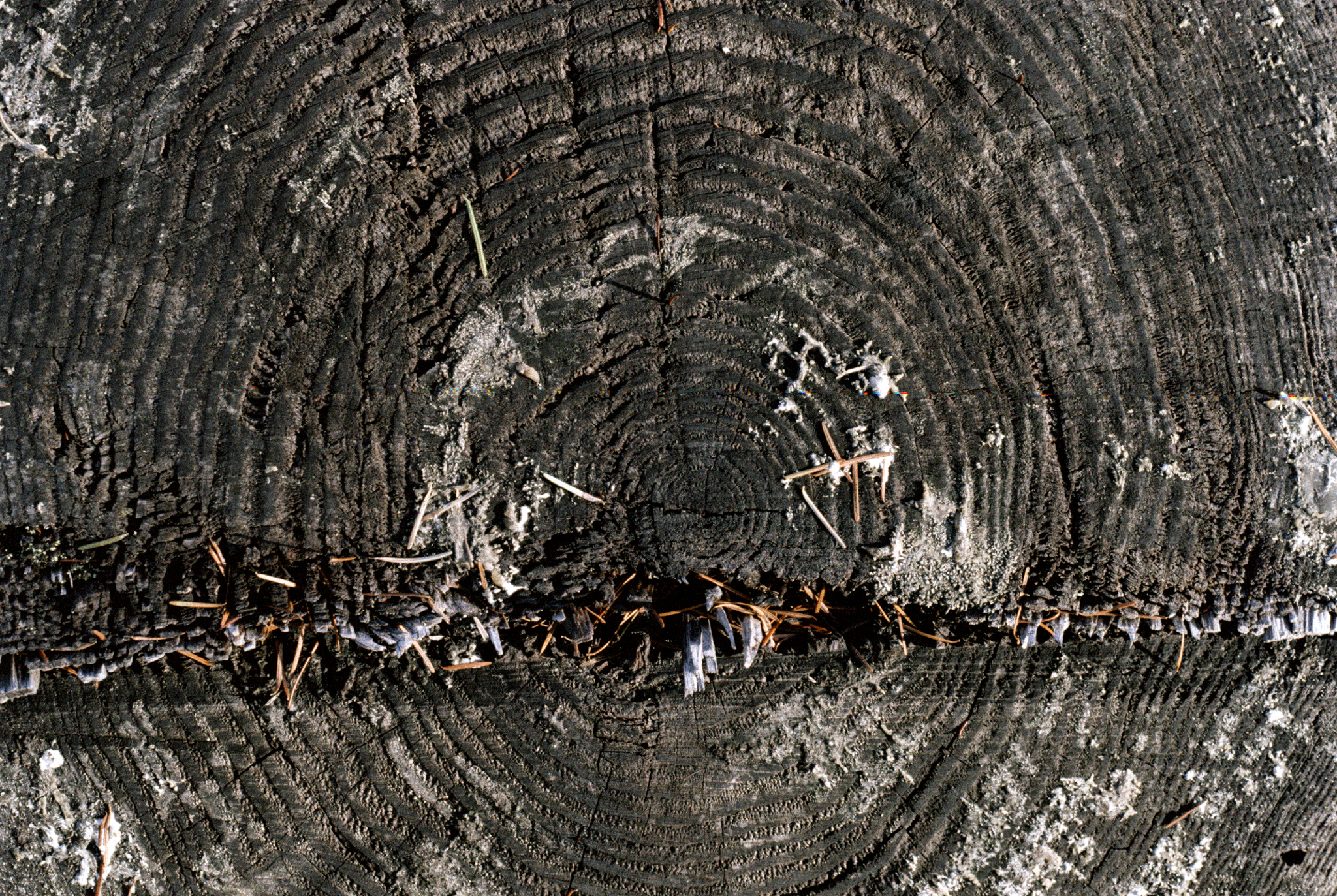
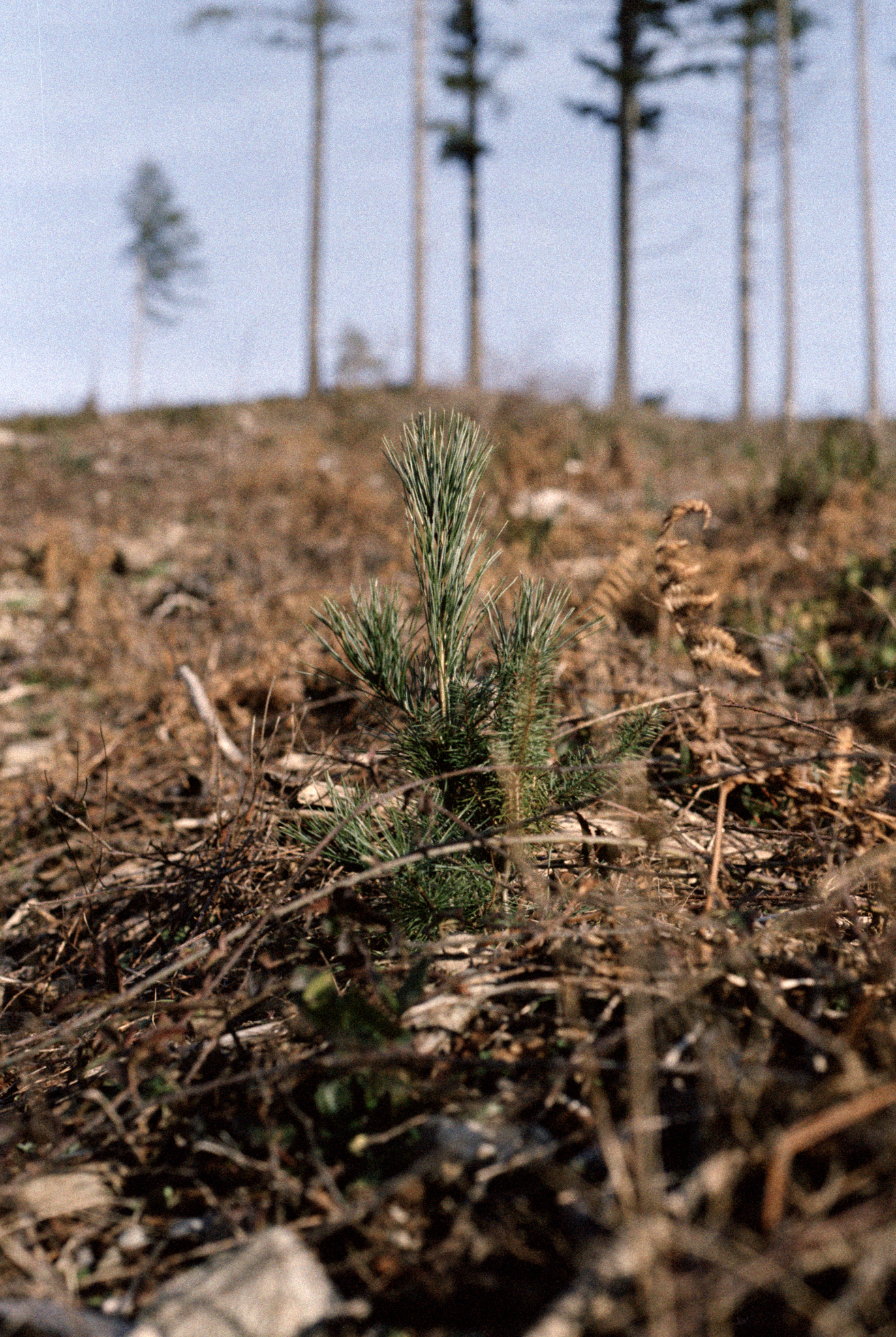
Wednesday was a sunny day, with temperatures between 55ºF and 60ºF. A couple of weeks ago, I visited the Capitol Forest Area and shot Harman Phoenix II color film (https://stevenlawrencepictures.com/2026/01/22/harman-phoenix-ii-capitol-state-forest-january-21/). I visited the same Clearcut area.
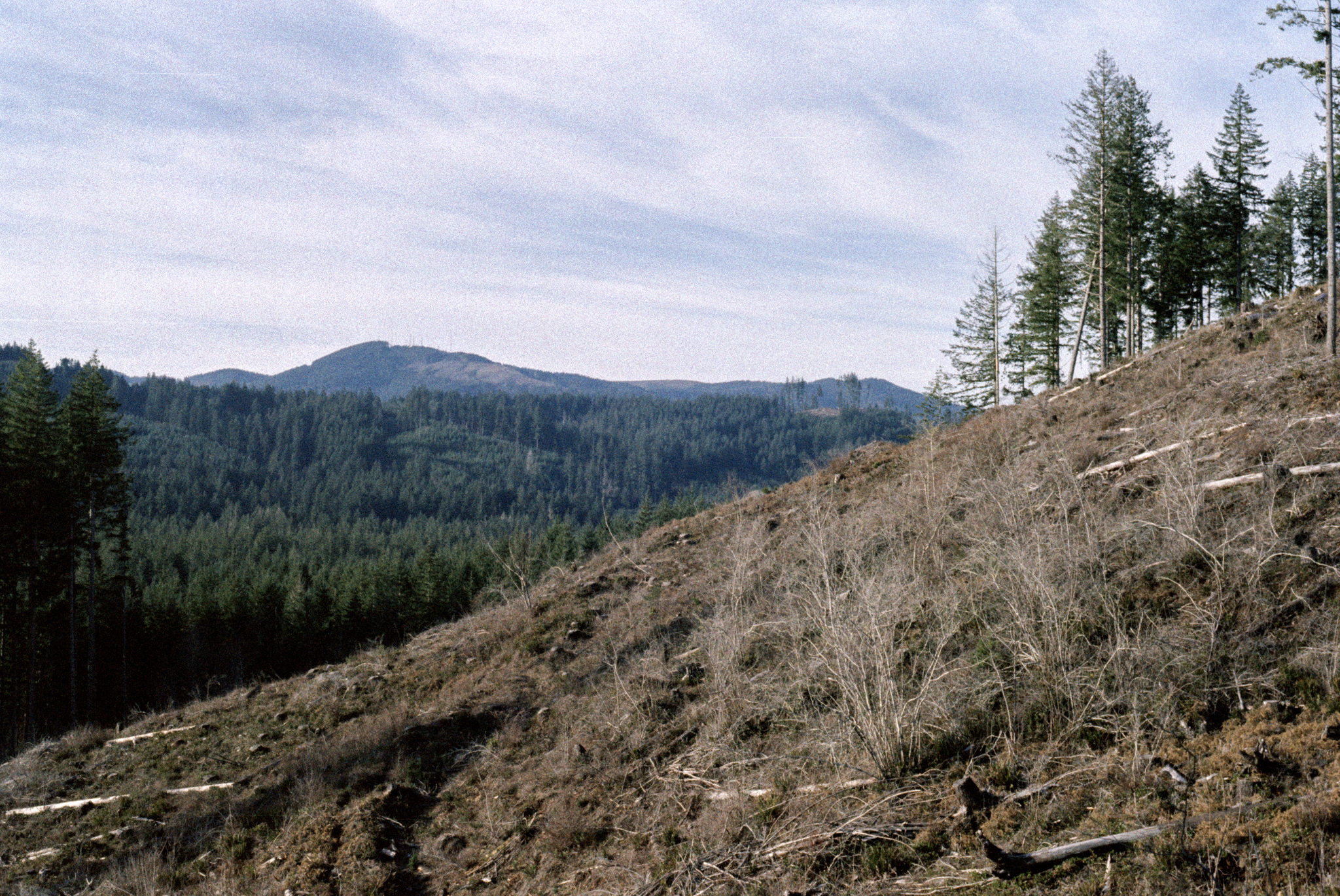
This time, I loaded up my Nikon N90s with Ilford Ilfocolor color film.
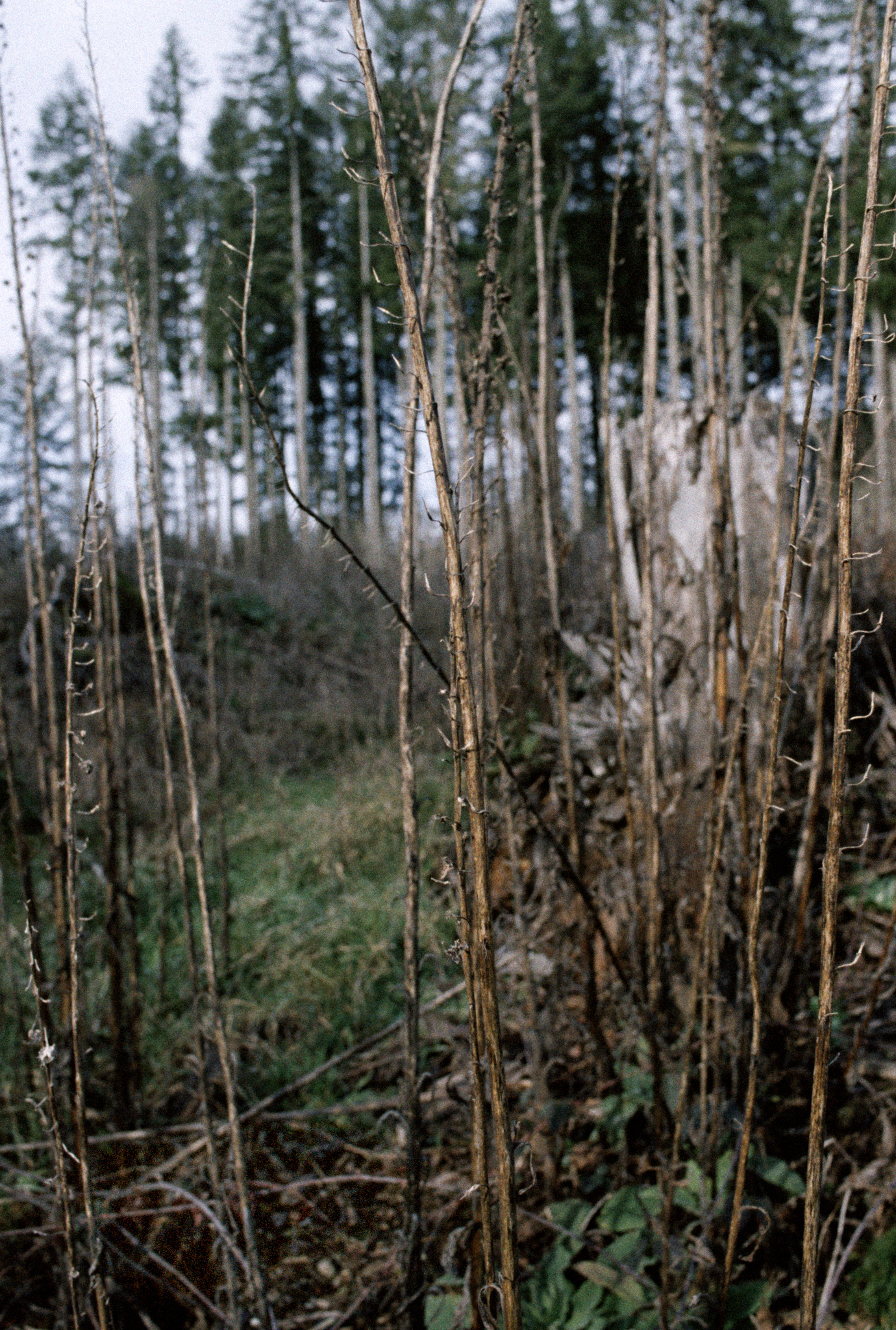
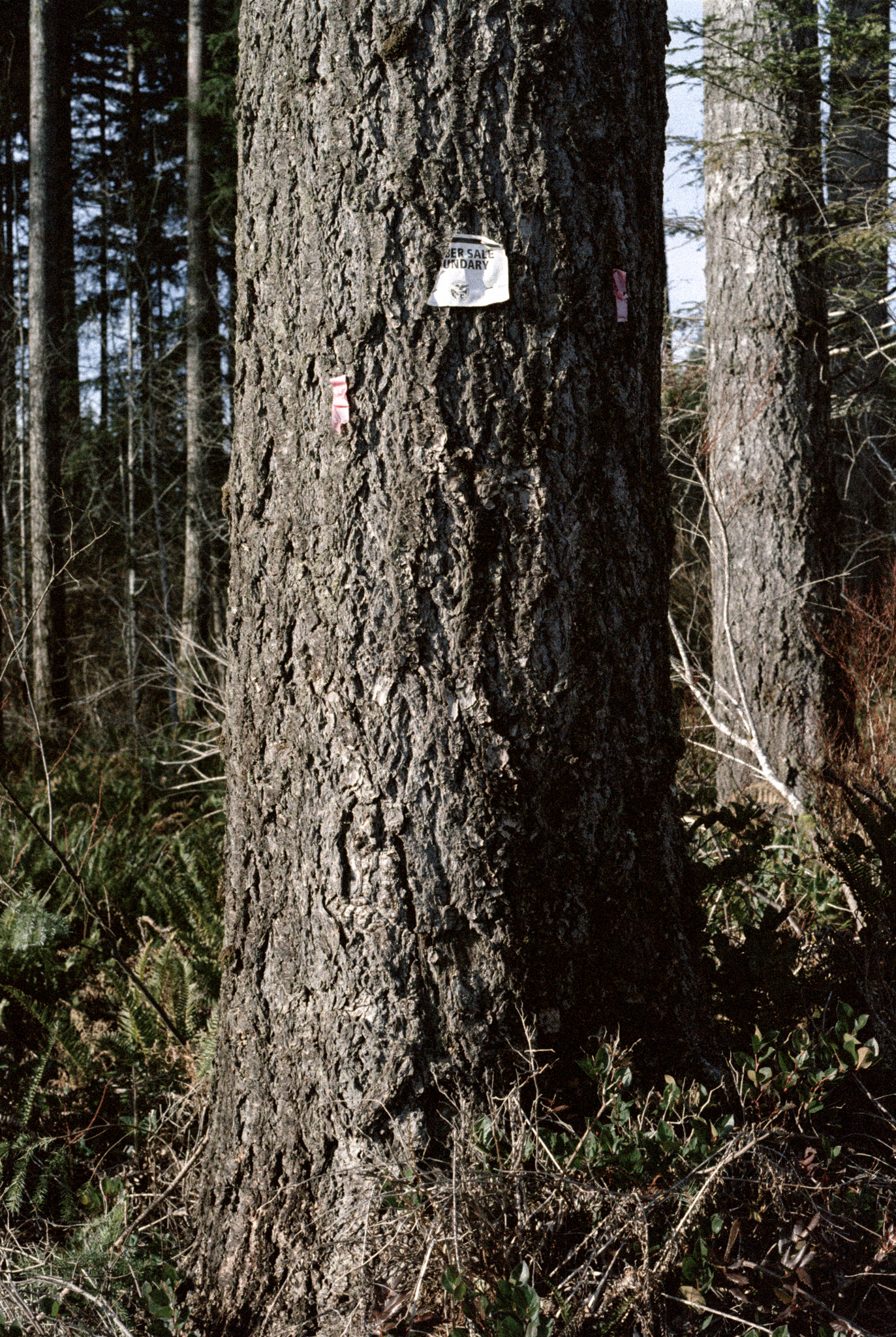
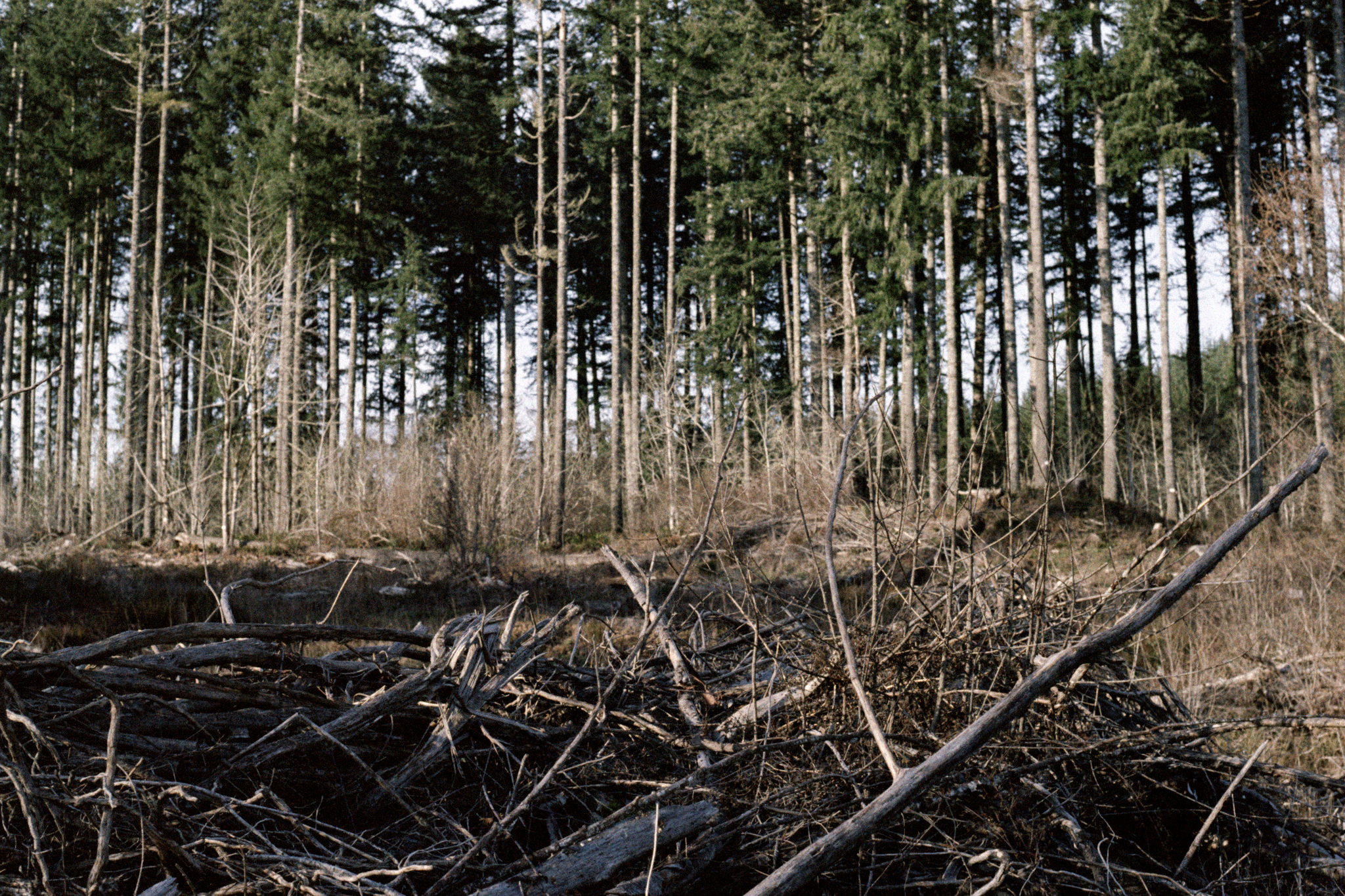
Clearcutting is a controversial practice to some, especially when it occurs on public land (https://www.sustainable-economy.org/time-to-get-washington-department-of-natural-resources-out-of-the-logging-business).
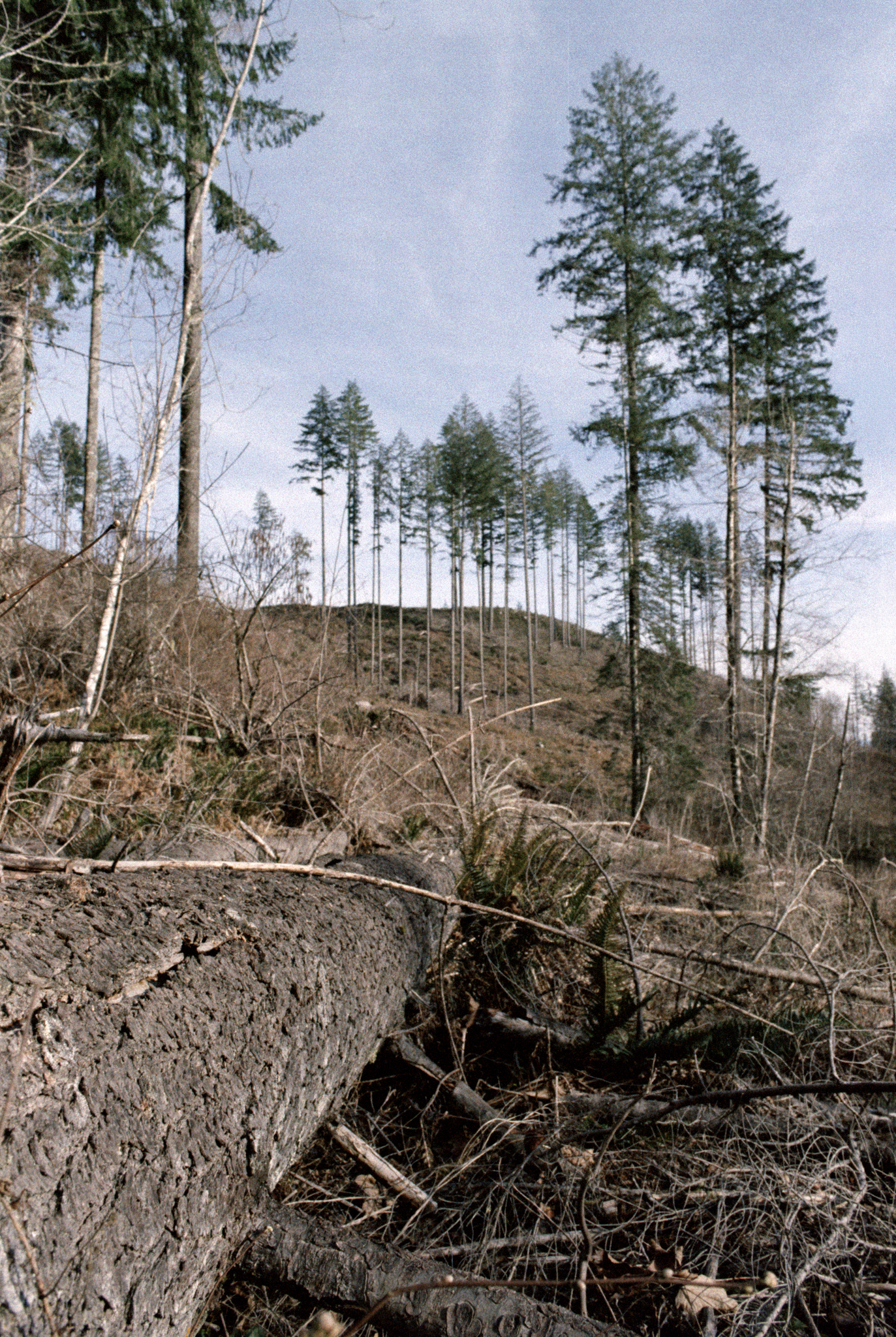
Why is clearcutting used rather than another practice, such as thinning the trees (https://www.youtube.com/watch?v=n1_Fpww8DGk)?
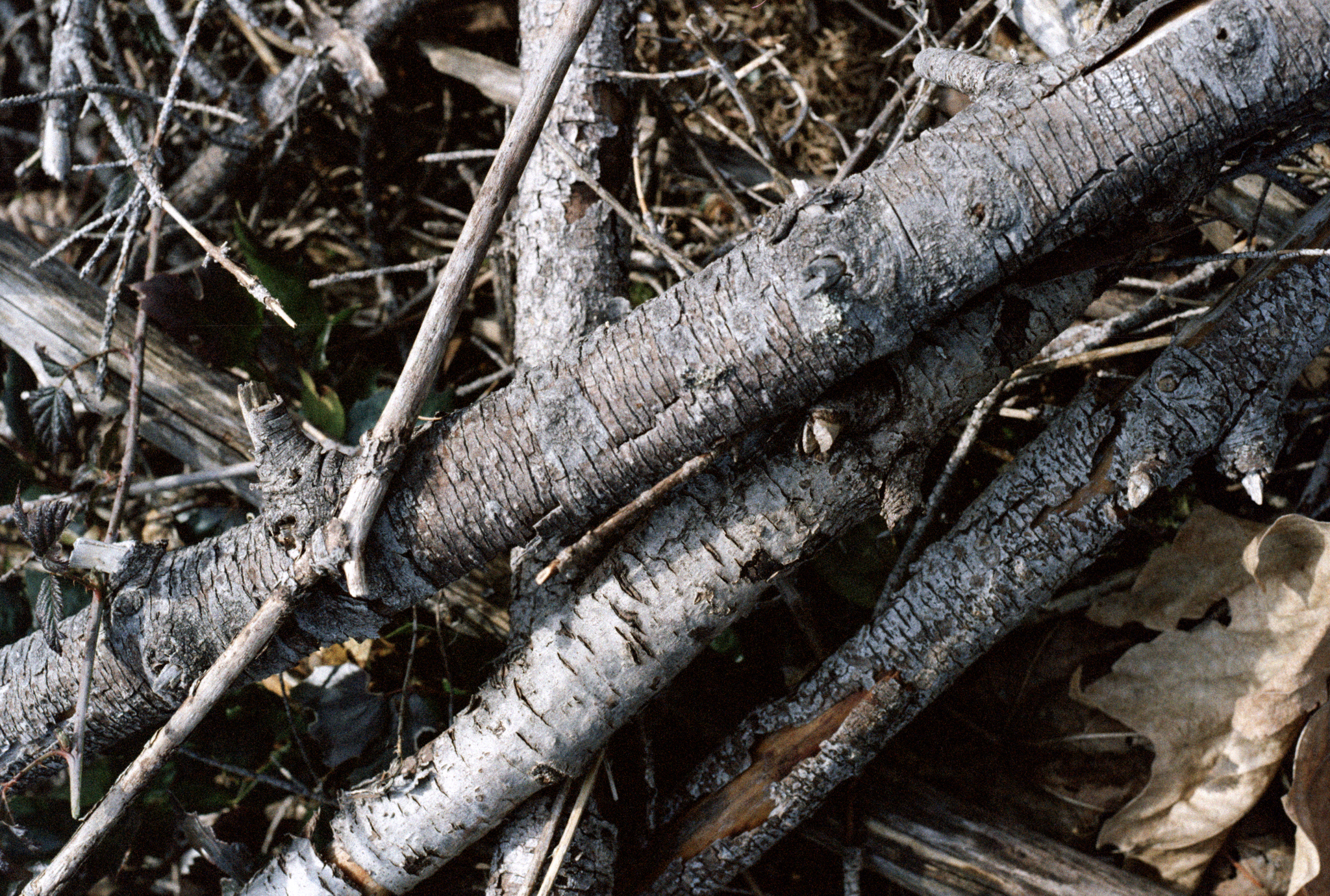
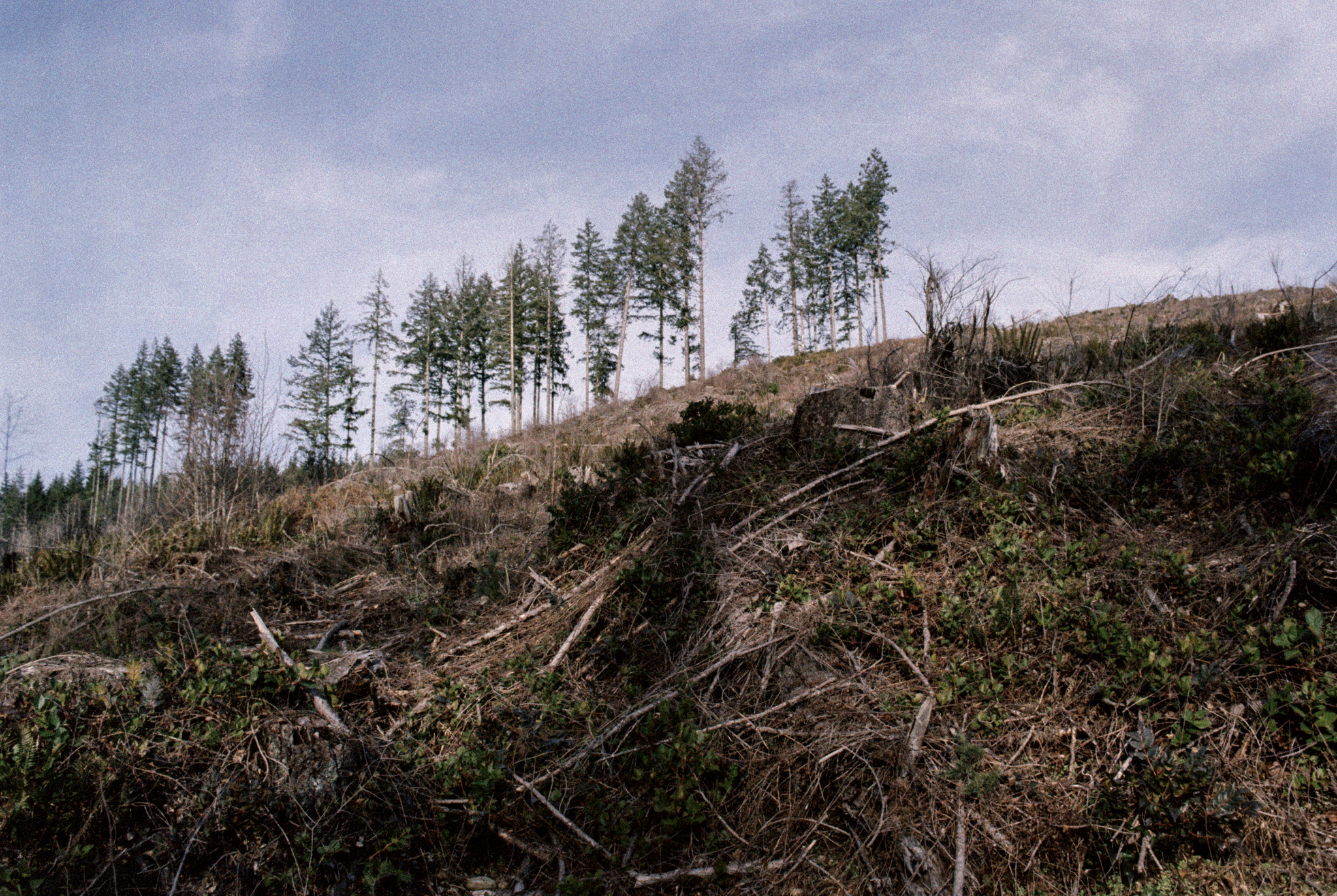
Industry Snapshot
- Washington has 22 million acres of forestland. About eight million of that is privately owned.
- 62% of the timber harvested in the state comes from these private forests.
- Washington is the second-largest producer of softwood lumber in the United States.
- The forest products sector supports more than 100,000 workers, and nearly $6 billion in wages.
- There are 1,700+ forest product businesses in Washington State.
- Gross business income for the forest sector is $36 billion annually.
- Cross-laminated timber is one of the fastest-growing segments of the industry.
- Washington accounts for 25% of U.S. log and lumber product exports and 9% of the nation’s paper products.
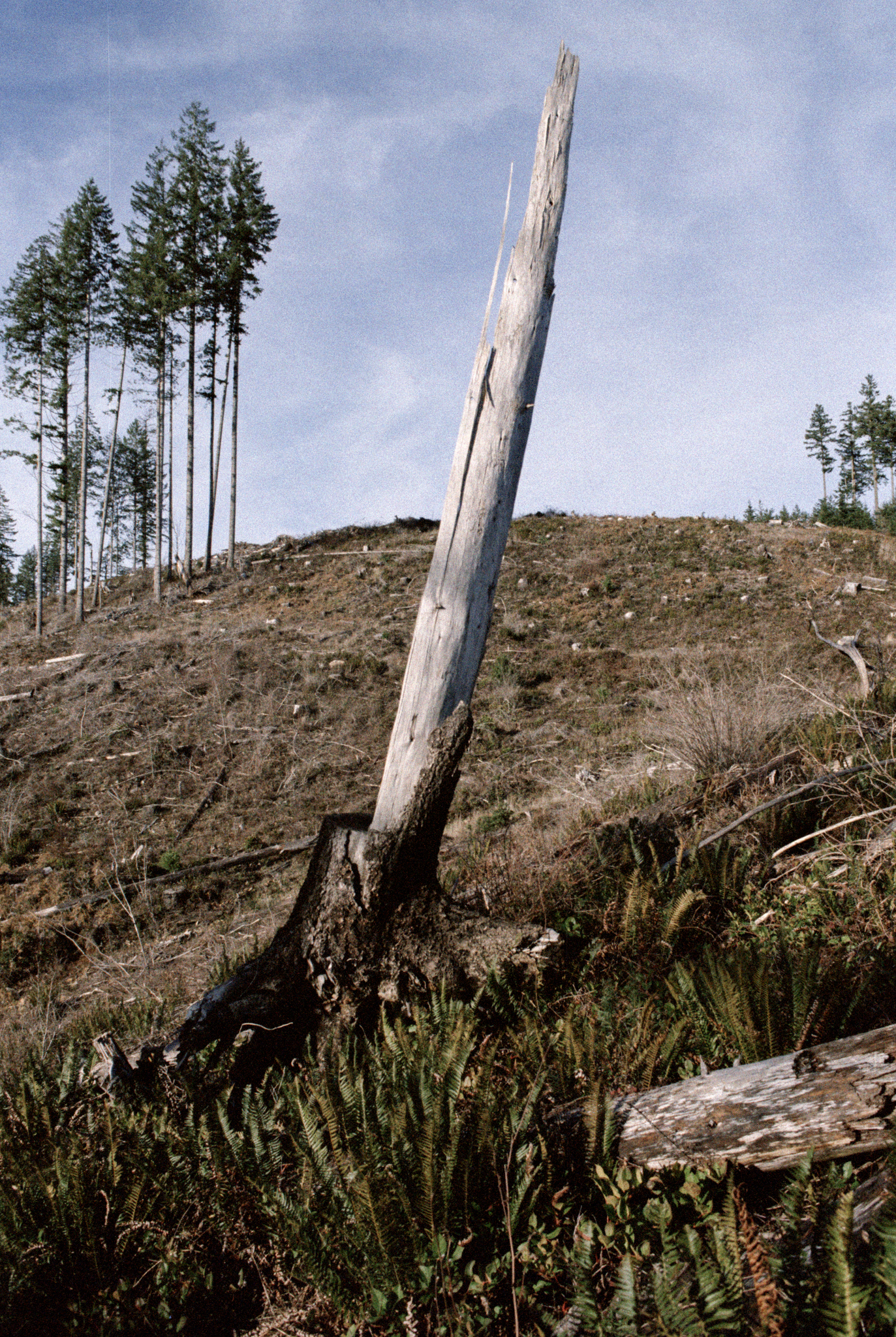
I used the Nikon 28mm F2.8D and the Nikon 50mm F1.8D Lenses to capture these images. I developed the film with Cinestill’s C-41 developer. I scanned the negatives with the PrimeFilmXEs using VueScan.

 Steven Lawrence Pictures