

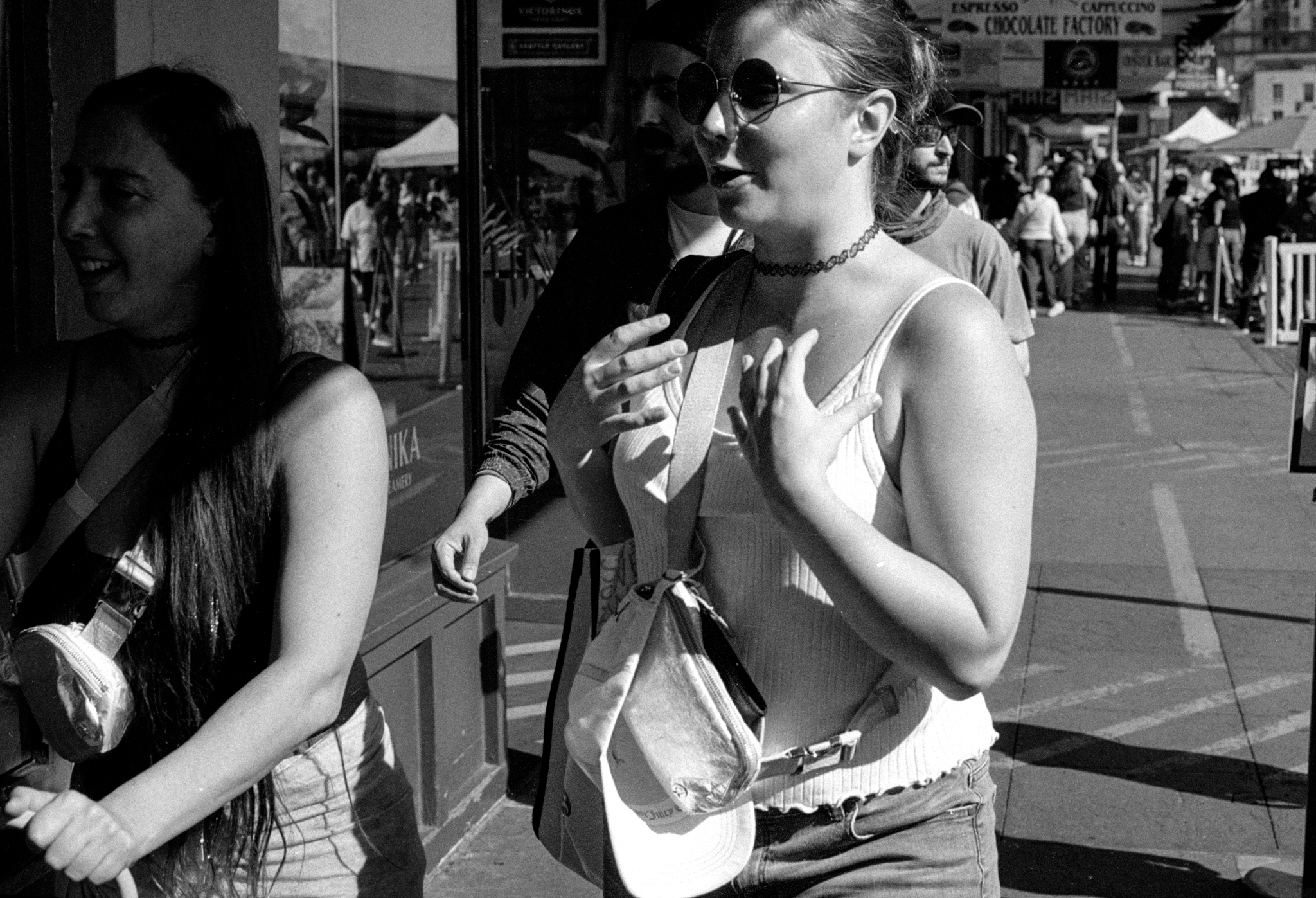
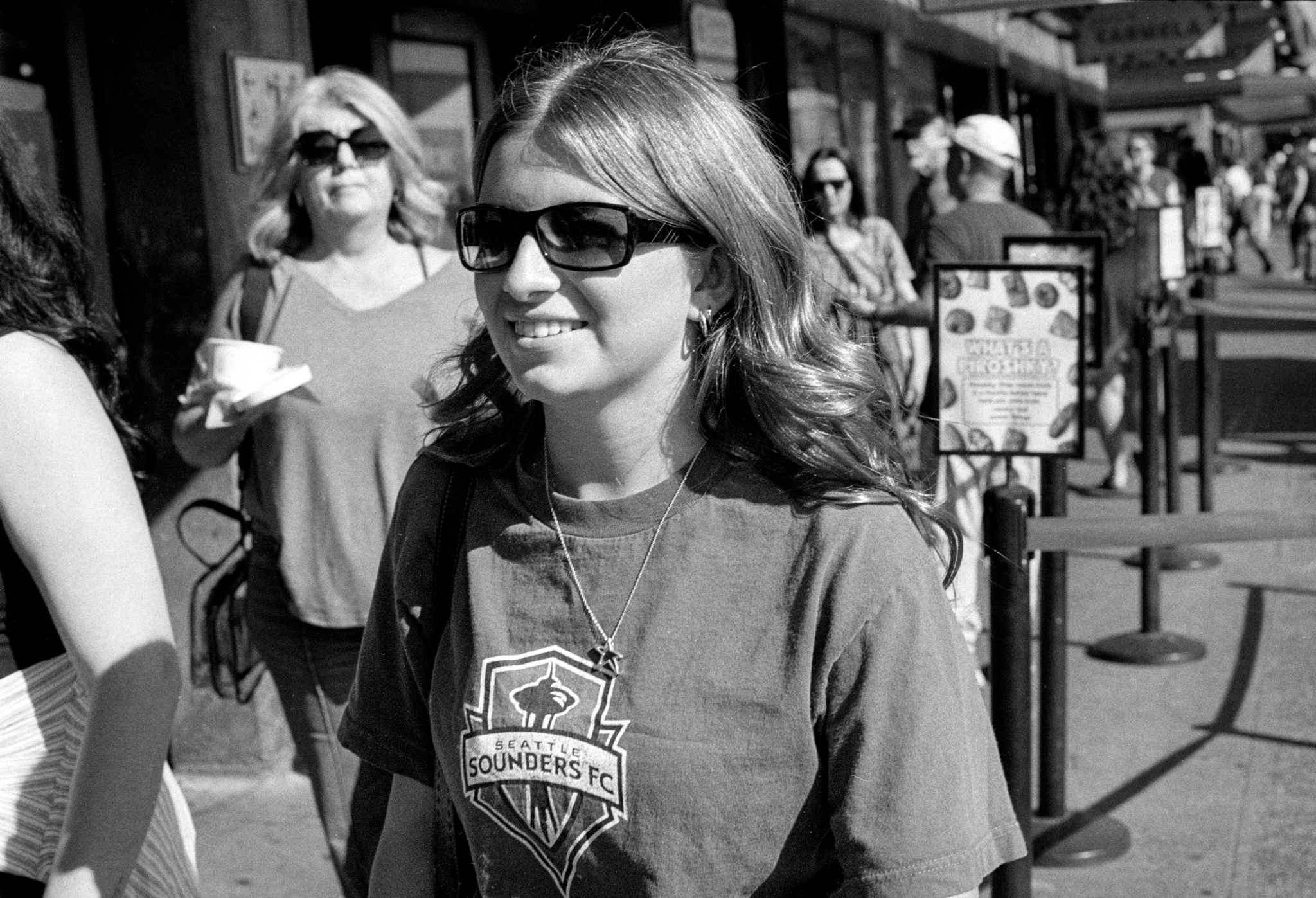
After shooting a roll of Cinestill BwXX, I loaded the camera (Nikon FM3a) with Kodak 400TX.
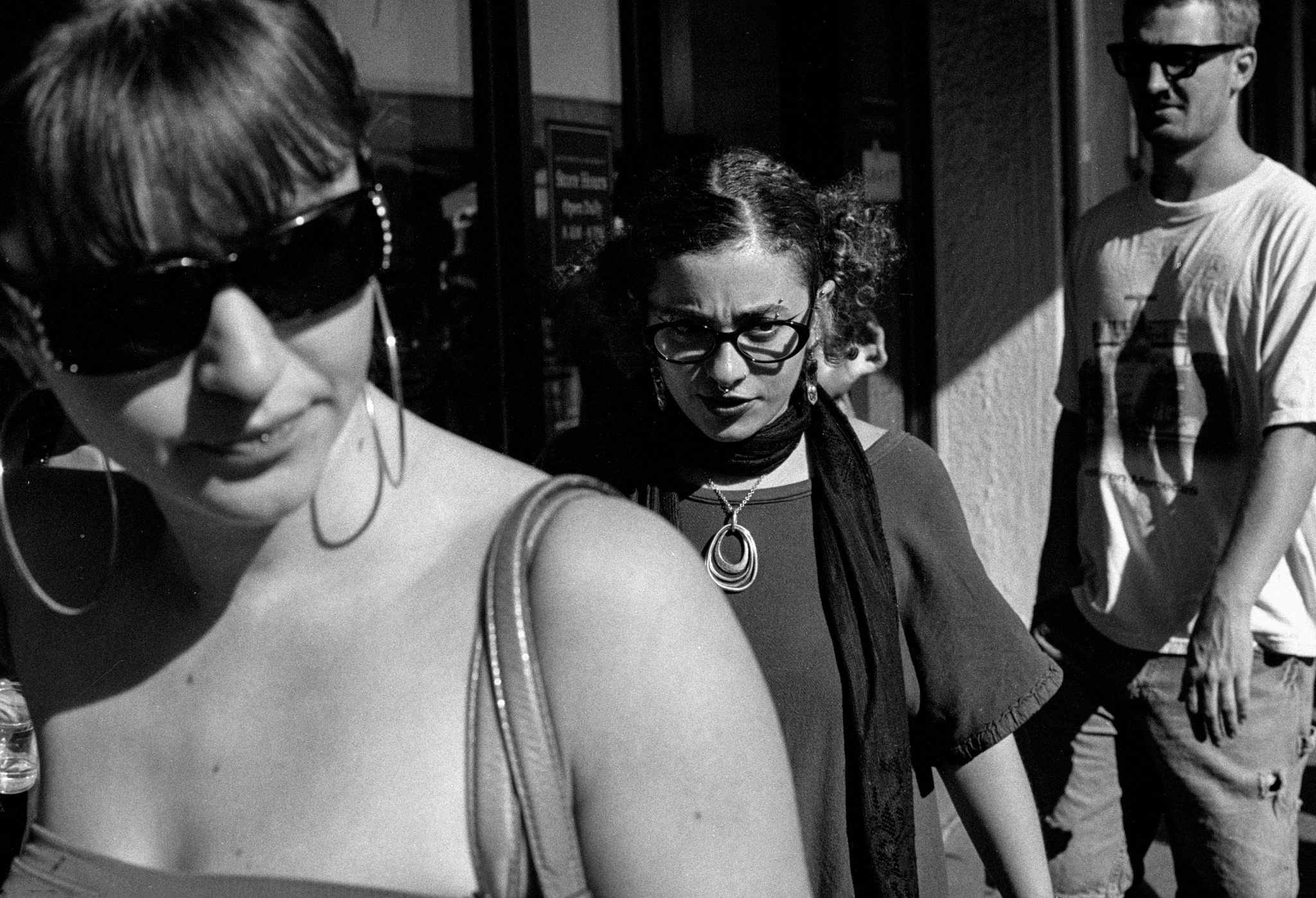
I shot the film at box speed, EI 400. And I developed the film with Df96.
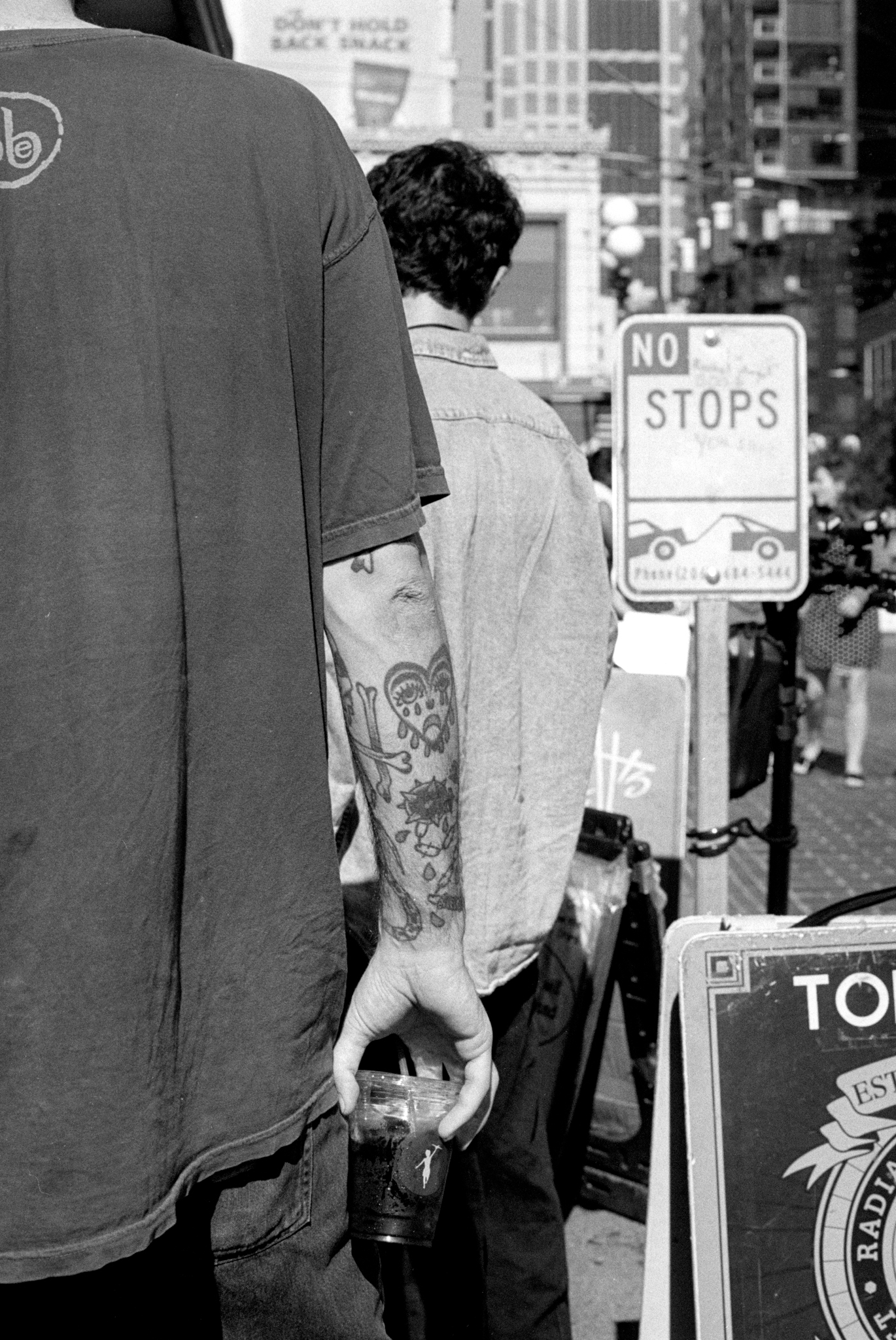
I used either the Nikkor 50mm 1:1.2 or the Voigtlander Color-Skopar 28mm F2.8 Lenses.

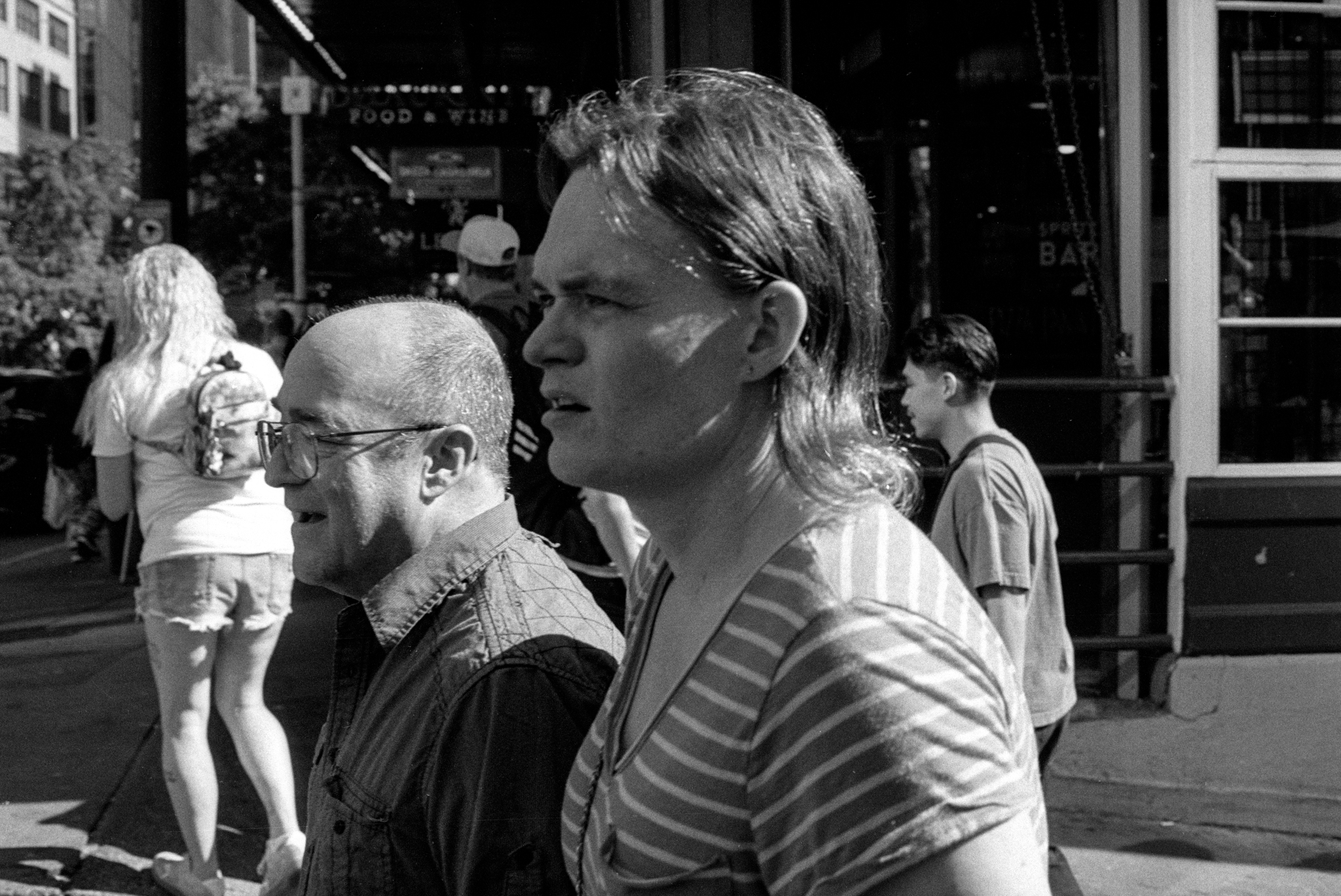
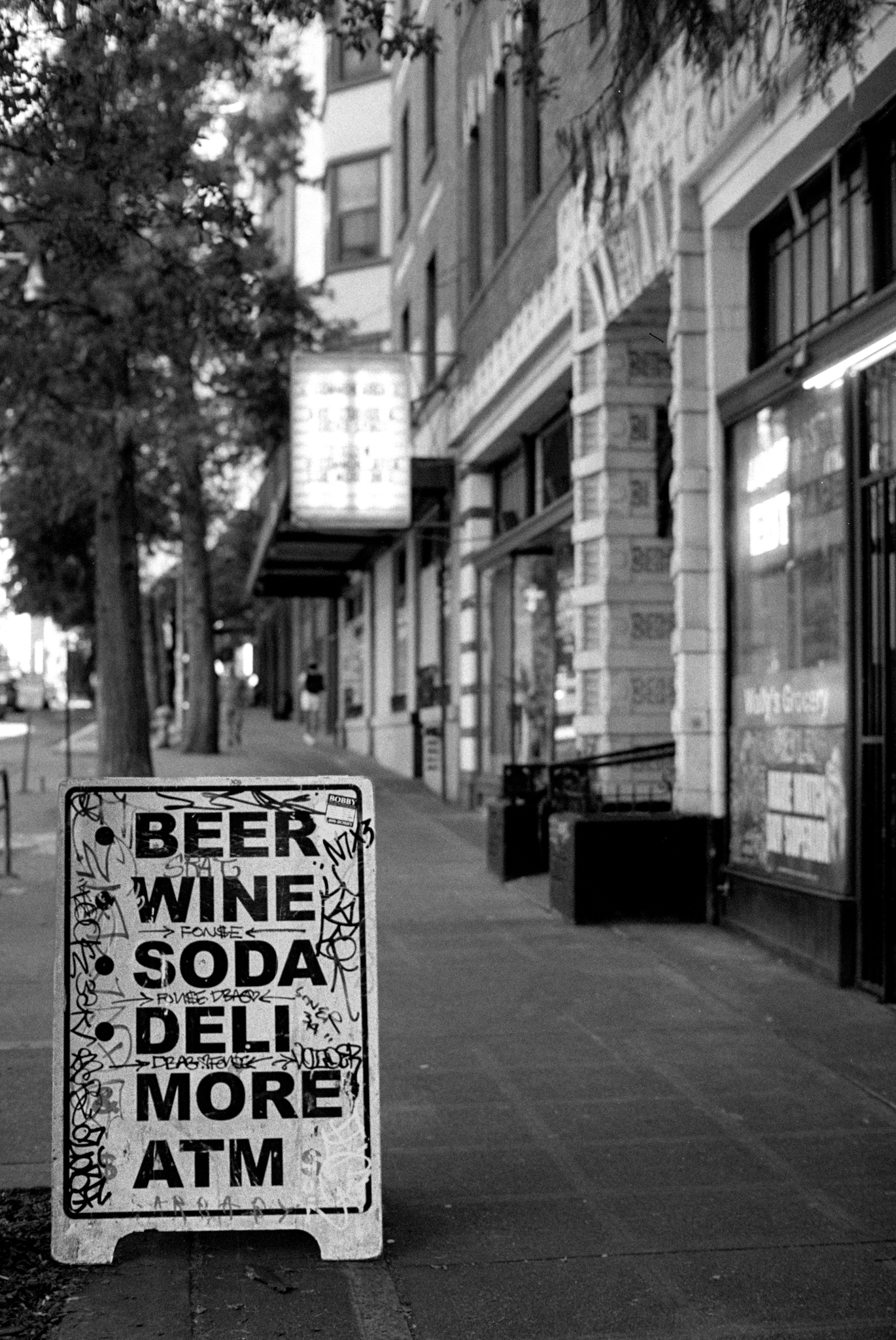
I scanned the negatives with the PrimeFilmXEs using VueScan. I am not going to compare whether I think Cinestill’s BwXX is better than Kodak 400TX. With our dark winters I can push the Kodak product to EI 1600, something that cannot be done with BwXX. Both are great products that I can use according to circumstances.



I’ve pushed Double-X to 1600, and developed it in both HC-110 (1+50) and Caffenol-CL (semi-stand). It can certainly be done, and I honestly don’t think the shadow detail loss is noticeably worse than modern Tri-X. And I like the grain of Double-X *much* better. Regarding Kodak stocks, TMY pushed to 1600 does the best in my experience in this speed category. I think in most developers TMY’s true ISO is closer to 640 than the box-label value of 400. Of course, TMZ or Ilford Delta 3200 do best in low light (obviously).
LikeLiked by 1 person
I am going to try pushing Double-X in HC-110. Give me time and agitation at 1:50
LikeLike
It’s been a number of years since I did it and, unfortunately, for reasons I won’t get into, I lost all my development records/notes (and other stuff) from that time period and nearly everything prior — very painful. Let’s just say that storing things digitally and not writing things down for real in a well-protected notebook was a serious mistake…
That said, if my memory serves me correctly, the time or two I shot Double-X at EI 1600-ish and push-processed it in HC-110 at 1+50 and got results I was pleased with, I think I did so at ~68 degrees, agitating continuously for the first minute (gentle inversions) and then for ~10 seconds (again, gently) every two minutes (or it might have been every three) thereafter, for a total of ~25 minutes. That seems like what I ultimately landed on.
I think I originally tried more of a semi-stand method with HC-110 at 1+50, extending the development time to around 35 minutes with just one or two inversions every five minutes, but I don’t think that worked well. It seems like I ended up with pretty bad bromide drag, which led me to instead arrive at what I described.
I truly wish I could remember all the details with 100% certainty, but I apologize — I can’t.
What I am certain about is that I would have been using a two-reel metal tank (for a single roll of film; otherwise, developer exhaustion becomes a very real risk), agitating by inversion as mentioned, and I would have mixed 10 mL of HC-110 (or, likely, LegacyPro’s clone, L110) in 500 mL of distilled water just beforehand to ensure the developer wasn’t too diluted/weak and didn’t die prematurely.
All that said, if you still want to try this, since I lost my records and can’t guarantee anything, I’d recommend you shoot a number of test shots and develop that short strip with my method as a starting point, and then make adjustments from there before taking photos you’d be upset about losing. That will also give you an idea about whether Double-X’s grain when shot/developed in such a manner is tolerable to you (I actually like it), along with the elevated contrast and tonal extremes. I’d hate for you to shoot a whole roll and it turn out terribly using my above-described method. I’d feel awful.
LikeLiked by 1 person
I decided to check CineStill’s site to see if they had developing times for higher EIs. They do, for a variety of developers:
https://cinestillfilm.com/pages/bwxx-dev-times
From their chart, 20 minutes in HC-110 1+31 (Dilution B) seems awfully long to me, even for an EI of 1600, especially since I’m assuming that’s with a standard agitation regimen. But who knows? Maybe that’s better than my method…
LikeLiked by 1 person
Thank you. This winter I will test Df96, HC-110, and Rodinal times. We will either create a photographic masterpiece or an amazing abstract. I will become famous and I will attribute my success to your mentoring.
LikeLike
Ha! — Sounds good. I look forward to seeing what kind of results you get, masterpieces or disasters either one. In all seriousness, though, going back to the 20 minute Dilution B time CineStill has listed on their website, I can’t imagine that working very well. It just seems way too concentrated and way too long. I’d expect insanely dense highlights and outrageous contrast developing Double-X like that. I really do think a more dilute solution for a longer time and with less/more gentle agitation is the way to go in order to control the highlights while simultaneously bringing out as much detail as possible in the shadows. Whatever you decide on, good luck!
LikeLiked by 1 person